
_edited.jpg)
How Retaining Walls Improve Your Yard — and Why Proper Drainage Matters

Updated: Jan 22
A well-built retaining wall does more than just hold back soil — it can completely transform your outdoor space. From creating new usable areas to adding curb appeal and improving drainage, retaining walls are a smart investment for both the beauty and functionality of your home.

➡️ How Retaining Walls Create Usable Yard Space
If your property has steep slopes or uneven terrain, much of that space can feel wasted or unusable. A landscape retaining wall gives you the ability to reclaim that area, turning sloped ground into level, functional yard space.
Imagine transforming a steep incline into a flat lawn, patio, or garden area — perfect for entertaining, relaxing, or simply enjoying more of your property.
➡️ Designing Retaining Walls for Function and Outdoor Living
Retaining walls can be designed to complement your lifestyle and your home’s architecture. Combine your landscape wall with a fire pit, steps, or built-in seating to create a personal outdoor retreat.
Add lighting or water features for ambiance, and you’ll have an entertainment space that’s not only beautiful but also built to last.
➡️ Garden Retaining Walls That Improve Curb Appeal and Prevent Erosion
A garden retaining wall or raised garden edge instantly elevates your landscaping. It defines your outdoor areas, prevents soil erosion, and gives your home a clean, polished look. Whether you’re planting flowers, shrubs, or decorative stone, these smaller walls add depth and structure to your yard design.
➡️ Why Drainage Is Critical Behind Retaining Walls
While retaining walls add aesthetic and functional value, they’re also a crucial part of proper drainage. Poor drainage behind a wall can cause hydrostatic pressure — a buildup of water that pushes against the wall and leads to cracks or collapse.
That’s why at Drip Dry Drainage, we design retaining walls that include integrated drainage systems, ensuring long-term strength and stability. Drainage and walls truly go hand in hand.
➡️ Reimagine What Your Yard Can Be
In areas like Charlotte and surrounding parts of North Carolina, heavy rain and clay-rich soil make proper drainage behind retaining walls especially important. Without the right system in place, water can build up quickly and compromise the structure of the wall and nearby foundations.
Concerned about drainage behind a retaining wall?
Drip Dry Drainage designs retaining walls with integrated drainage systems to protect your yard, foundation, and investment. Contact us today for an on-site assessment.
Retaining Walls & Drainage FAQs
Do retaining walls need drainage?
Yes. Drainage is essential. Without it, water builds up behind the wall, creating pressure that can lead to cracking, leaning, or failure over time.
What happens if water builds up behind a retaining wall?
Trapped water creates hydrostatic pressure, which can cause structural damage, soil erosion, and drainage problems near your home’s foundation.
How is drainage installed behind a retaining wall?
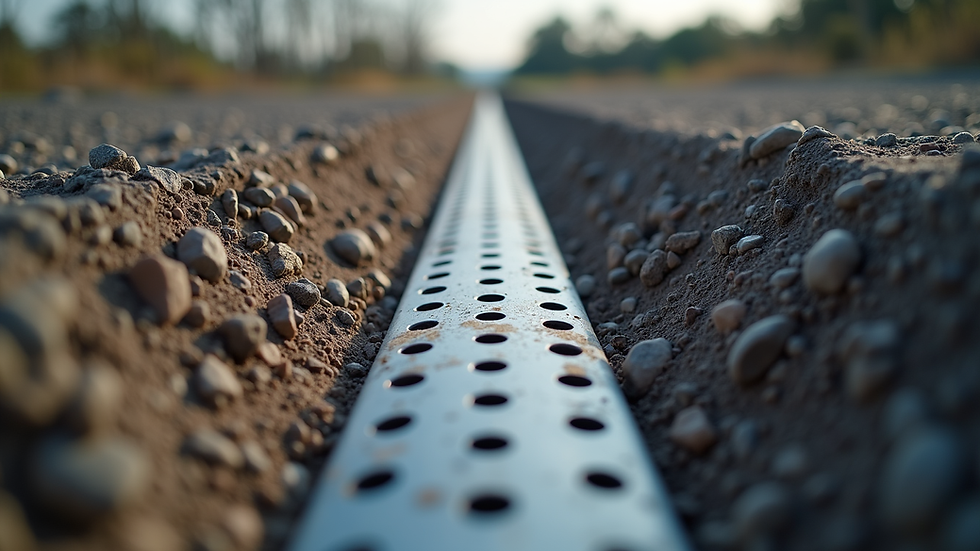
Most systems include gravel backfill and perforated drain pipe to safely move water away. Proper grading is also key to long-term performance.
Can poor drainage cause a retaining wall to fail?
Yes. Poor drainage is one of the most common reasons retaining walls fail — even when the wall itself is well built.
Do retaining walls fix drainage problems on their own?
Not always. Retaining walls help manage soil, but they usually work best when paired with a dedicated drainage solution like a French drain or yard drainage system.
How can I tell if my retaining wall has a drainage issue?
Warning signs include cracking, bulging, leaning, soil washing out, or standing water near the base after rain.
Should drainage be installed when building a new retaining wall?
Absolutely. Installing drainage during construction is more effective and far less expensive than adding it later.
Can retaining wall drainage issues affect my home’s foundation?
Yes. Poor drainage can redirect water toward your home, increasing the risk of foundation or crawlspace moisture problems.
Concerned about drainage behind a retaining wall?
Drip Dry Drainage designs retaining walls with integrated drainage systems to protect your property. Contact us today for an on-site assessment.


Comments