
_edited.jpg)
Best Residential Drainage Options for Your Home

Water management around your home is crucial. Without proper drainage, you risk damage to your foundation, landscaping, and even your indoor spaces. I’ve learned that choosing the right residential drainage options can protect your property and give you peace of mind. Let’s explore some of the best ways to keep water flowing away from your home safely and efficiently.
Understanding Residential Drainage Options
When it comes to protecting your home, understanding the available drainage options is the first step. There are several effective methods to manage water runoff, each suited to different property layouts and soil types. Here are some common residential drainage options you should consider:
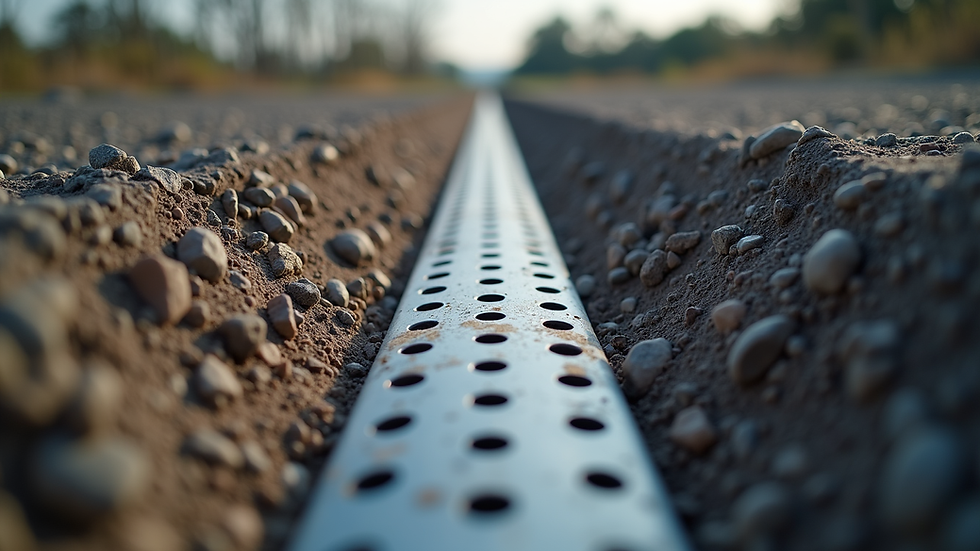
French Drains: These are trenches filled with gravel and a perforated pipe that redirects water away from your home. They work well in areas with heavy rainfall or poor soil drainage.
Surface Drains: These include catch basins and channel drains that collect water from your yard or driveway and funnel it to a safe discharge point.
Dry Wells: These underground structures collect water and allow it to slowly seep into the ground, reducing surface water buildup.
Swales: Shallow, sloped ditches that guide water away from your home and into a drainage area or storm drain.
Gutter and Downspout Systems: Properly maintained gutters and downspouts are essential to direct roof water away from your foundation.
Each option has its strengths, and sometimes a combination of these systems works best. For example, pairing gutters with a French drain can handle both roof and ground water effectively.
Choosing the Right Residential Drainage Options for Your Property
Selecting the best drainage system depends on your property’s unique features. Here’s how to decide:
Assess Your Yard’s Slope and Soil Type
Water naturally flows downhill, so understanding your yard’s slope helps determine where water collects. Clay soils hold water longer, while sandy soils drain quickly. This affects which drainage option will work best.
Identify Problem Areas
Look for spots where water pools after rain or where your foundation shows signs of moisture. These areas need targeted drainage solutions.
Consider Your Budget and Maintenance
Some systems, like French drains, require professional installation but need little upkeep. Others, like surface drains, may need regular cleaning to prevent clogs.
Plan for Water Discharge
Make sure water is directed to a safe place, such as a storm drain or a natural waterway, without causing issues for neighbors.
By carefully evaluating these factors, you can choose drainage options that protect your home effectively and fit your lifestyle.
How do I divert water runoff away from my house?
Diverting water runoff is essential to prevent damage to your foundation and landscaping. Here are practical steps you can take:
Extend Downspouts: Attach downspout extensions to carry water at least 5 to 10 feet away from your home.
Install Splash Blocks: Place splash blocks under downspouts to prevent soil erosion and direct water flow.
Create Swales or Berms: These landscape features gently guide water away from your home’s foundation.
Use Rain Gardens: Planting a rain garden in a low spot can absorb runoff and reduce pooling.
Grade Your Yard Properly: Ensure the ground slopes away from your home at a rate of about 1 inch per foot for at least 6 feet.
These methods are straightforward and can be combined for better results. For example, extending downspouts and grading your yard work hand in hand to keep water moving away from your home.

Benefits of Professional Residential Drainage Solutions
While some drainage fixes are DIY-friendly, professional help can make a big difference. Experts can:
Conduct a thorough site evaluation to identify hidden drainage issues.
Design a customized drainage system tailored to your property’s needs.
Ensure proper installation to avoid future problems.
Offer maintenance advice to keep your system working efficiently.
Investing in professional residential drainage solutions means you get a long-lasting system that protects your home and adds value to your property. It’s a smart choice, especially in areas prone to heavy rain or flooding.
Maintaining Your Drainage System for Long-Term Protection
Once your drainage system is in place, regular maintenance is key. Here’s what you should do:
Clean Gutters and Downspouts at least twice a year to prevent clogs.
Inspect Drainage Pipes and Trenches for blockages or damage.
Check Surface Drains and Catch Basins after storms to remove debris.
Monitor Your Yard’s Grading to ensure it hasn’t shifted or eroded.
Trim Vegetation around drainage areas to keep water flowing freely.
By staying on top of maintenance, you avoid costly repairs and keep your home safe from water damage year-round.
Protecting Your Home Starts with Smart Drainage Choices
Choosing the right residential drainage options is a proactive step to safeguard your home. Whether you install a French drain, improve your gutters, or create swales, these solutions work together to manage water effectively. Remember, water damage can be costly and stressful, but with the right system in place, you can enjoy your home without worry.
If you’re unsure where to start, consider consulting a professional who understands local conditions and can recommend the best approach. Taking action now means protecting your investment and your peace of mind for years to come.


Comments